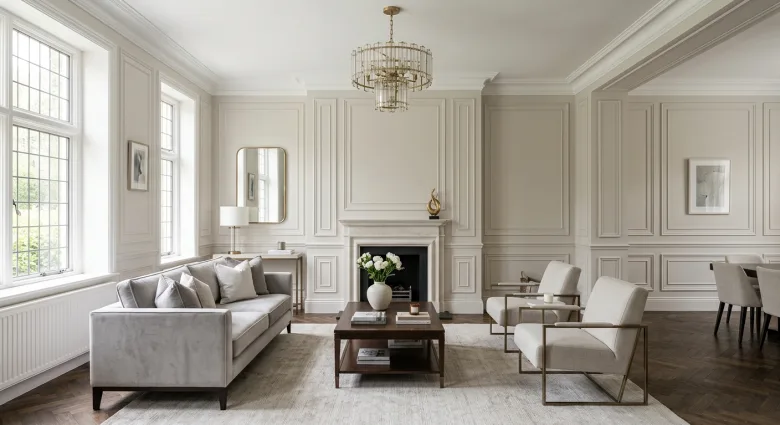
Flat walls provide a clean starting point for interior design, but they can sometimes make a room feel plain or unfinished. Decorative trim offers a simple way to introduce texture, dimension, and architectural character without making major structural changes. With carefully selected polyurethane moldings, homeowners can transform ordinary walls into attractive design features that complement both modern and traditional interiors.
Create Dimension with Geometric Wall Panels
One of the most effective ways to add depth to a flat wall is by creating geometric panels. Rectangular frames, square patterns, and symmetrical layouts introduce structure while maintaining a balanced appearance. These designs work particularly well in living rooms, dining areas, bedrooms, and entryways.
For a traditional look, choose wider profiles with decorative details. If you prefer a contemporary style, narrow trim with clean lines can create a sophisticated finish. The spacing between panels is equally important. Consistent gaps help the overall design appear intentional rather than crowded.
Before installation, measure the wall and sketch the proposed arrangement. Consider furniture placement, ceiling height, doors, and windows to ensure that the panels fit naturally into the room.
Highlight an Accent Wall
An accent wall provides an opportunity to experiment with decorative trim without changing the entire interior. Adding molding behind a sofa, bed, or dining table can establish a focal point and make the surrounding furniture feel more connected to the space.
For a subtle effect, paint the molding the same color as the wall. This monochromatic approach creates shadows and depth without introducing strong visual contrast. Alternatively, a contrasting finish can emphasize the panel outlines and give the wall a more dramatic appearance.
Deep green, navy blue, warm gray, and muted beige are popular choices for accent walls. The best color depends on natural lighting, existing furnishings, and the atmosphere you want to create.
Combine Vertical and Horizontal Lines
Trim placement can influence how a room feels. Vertical molding arrangements draw attention upward, helping emphasize ceiling height. Horizontal designs can make a wall appear wider and create a sense of visual continuity.
Combining these directions can also produce distinctive layouts. For example, a large rectangular frame can be divided into smaller sections to create a balanced architectural pattern. However, it is important to avoid using too many shapes on a single wall, as excessive detailing can make the space feel busy.
In smaller rooms, simpler patterns usually work best. Larger rooms can accommodate more elaborate arrangements, provided the proportions remain consistent with the surrounding architecture.
Add Depth with Layered Decorative Profiles
Layering different molding profiles can produce a richer visual effect than using a single trim style. A larger outer frame combined with a narrower inner profile creates additional definition and gives the wall a more detailed appearance.
This technique is particularly effective in formal living rooms, dining rooms, and bedrooms designed with a classic aesthetic. It can also be adapted to contemporary spaces by choosing profiles with minimal ornamentation.
Polyurethane trim is useful for these projects because it is lightweight and available in a variety of shapes and decorative designs. Its versatility makes it suitable for projects ranging from simple wall frames to more elaborate architectural compositions.
Choose the Right Finish
Paint and lighting play important roles in how decorative trim appears. A matte finish can create a soft, understated look, while carefully selected contrasting colors make the molding more noticeable. Directional lighting can emphasize the edges and shadows, adding another layer of visual interest.
For a cohesive interior, coordinate the molding with existing skirting boards, door casings, and ceiling details. Matching these elements does not necessarily mean using identical profiles; similar proportions and finishes can create a consistent appearance.
Frequently Asked Questions
Can decorative trim make a small room look better?
Yes. Simple, proportionate molding patterns can add character without overwhelming a small space. Light colors and uncluttered layouts often produce the most balanced results.
Is polyurethane molding suitable for DIY projects?
Many polyurethane profiles are lightweight and manageable for experienced DIY enthusiasts. However, accurate measurements, appropriate adhesive, careful cutting, and proper surface preparation remain essential.
Transform Plain Walls into Design Features
Decorative trim provides an effective way to bring depth and personality to flat wall surfaces. By combining thoughtful panel layouts, suitable profiles, coordinated colors, and balanced proportions, homeowners can create interiors that feel more refined and visually interesting. The most successful designs are those that complement the room rather than compete with it, turning simple walls into lasting architectural highlights.
#MoldingIdeas #InteriorTrim #StavrosDecor